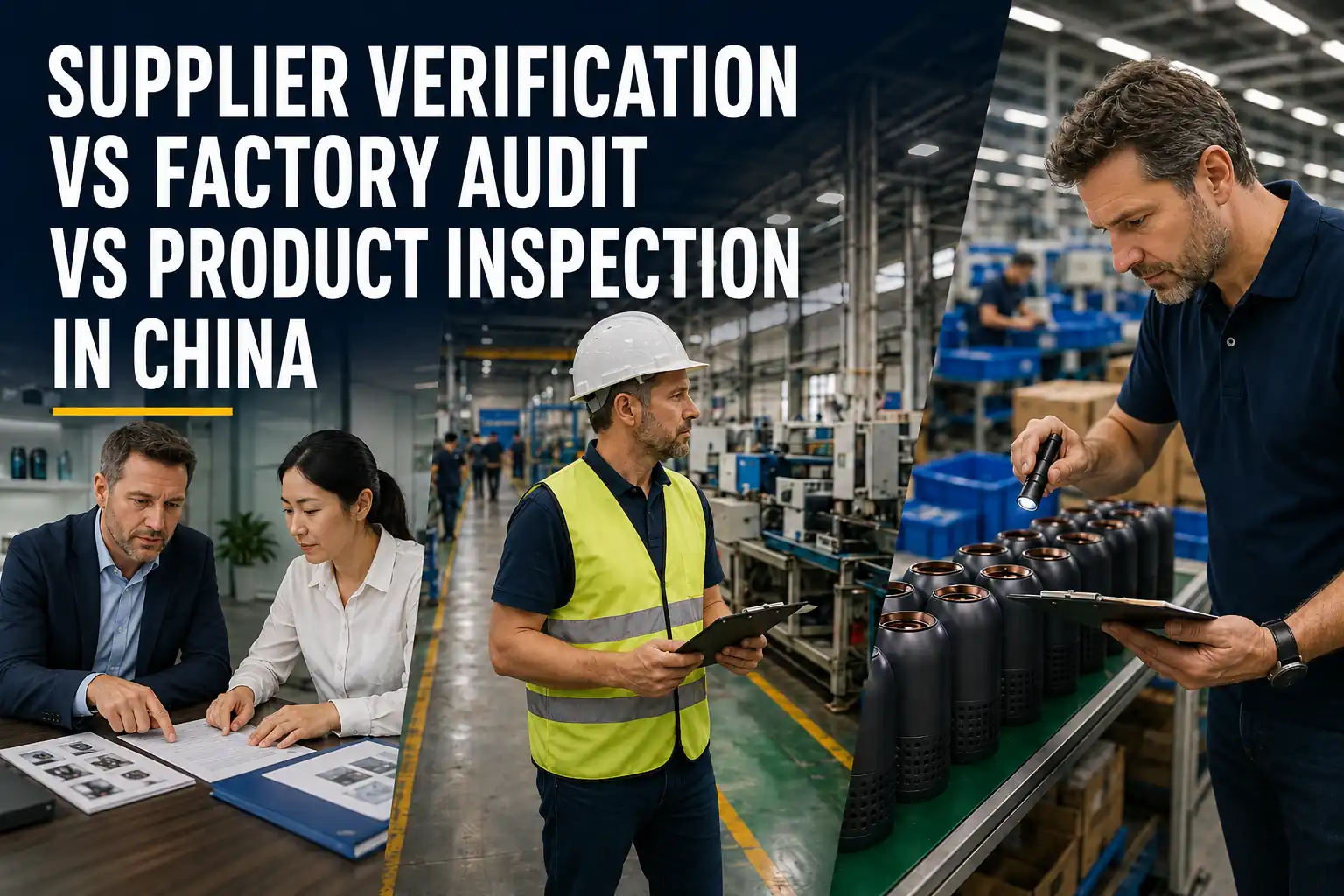
Supplier verification vs factory audit vs product inspection can sound like three versions of the same service. They are not. Each one checks a different risk when you buy from China. Supplier verification checks who you are dealing with. A factory audit checks the supplier’s actual operation and apparent manufacturing capability. A product inspection checks the goods made for your order.
That difference matters because choosing the wrong check can leave the main risk untouched. If you are worried about whether a supplier is genuine, inspecting finished products does not answer that question. If you are worried about defects, checking the company’s registration does not tell you whether your batch was made correctly.
Supplier verification vs factory audit vs product inspection: the simple difference
Before paying for any check, ask one question: “What am I trying to prove?”
- Supplier verification: “Is this the company I think I am dealing with, and do the details make sense?”
- Factory audit: “Does this factory appear capable of producing what the supplier says it can?”
- Product inspection: “Does my actual order match what I approved?”
For a small, straightforward order, you may only need one or two of these. For a large first order, custom tooling or an important long-term supplier, using all three at different stages can be sensible.
What is supplier verification in China?
Supplier verification is usually the first check. It is most useful before you send a meaningful deposit to a company you have not worked with before.
The aim is to identify the legal company behind the quotation and check whether the commercial information you have been given is consistent. That can include reviewing company details, addresses, supplied documents, payment information and the relationship between the seller and the factory.
This is especially important when sourcing through Alibaba or another online marketplace. A supplier can use attractive factory photographs or describe itself as a manufacturer without those images proving that it owns the factory shown.
A Chinese company also does not need to have an English legal name that exactly matches its Chinese registered name. The important part is identifying the Chinese legal entity, understanding who is asking you to pay, and resolving any unexplained differences before money moves.
Supplier verification is useful when:
- You have never paid the supplier before.
- The bank account or payment company is different from the company on the quotation.
- The supplier claims to own a factory but you cannot confirm the relationship.
- Company names, addresses or documents keep changing.
- You are comparing several suppliers and want to screen them before spending more money.
A live video call can also help with early screening. Ask the supplier to show the office, production area and warehouse where practical. It does not replace formal checks, but it may expose inconsistencies worth investigating.
When do you need a China factory audit?
A China factory audit goes further because someone visits the supplier’s premises and reviews the operation against an agreed scope.
The question is no longer just whether the company exists. You are trying to understand whether the site, machinery, workforce and processes appear suitable for the product you want made.
A practical audit may look at production areas, machinery, current activity, quality-control processes, packing areas and finished-goods storage. Highly technical products may need a qualified engineer, laboratory or specialist instead of a general commercial audit.
A factory audit is worth considering when:
- You are placing a high-value first order.
- You are paying for moulds, tooling or product development.
- The product requires specific machinery or manufacturing processes.
- The supplier makes major claims about production capacity.
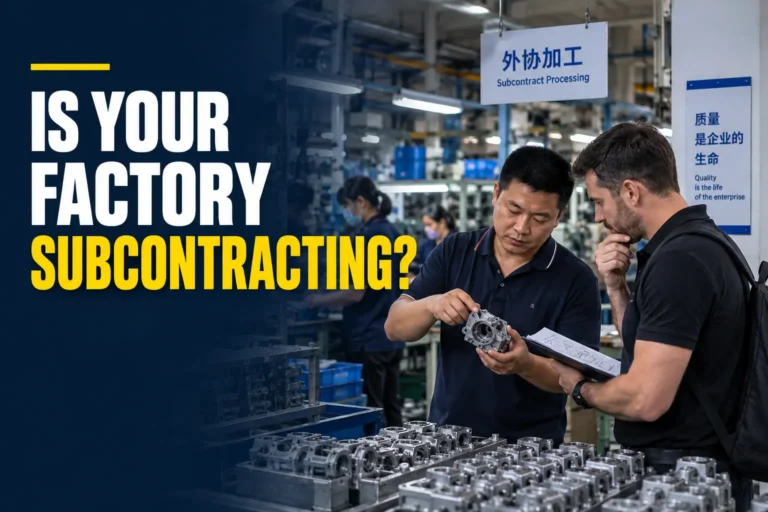
- You are worried that most production may be subcontracted.
- You are choosing a factory for a long-term supply relationship.
A factory audit cannot guarantee that your future order will be good. It shows what can be observed at the site during the visit. That is why an audit does not replace checking the finished products.
Is a factory visit the same as a factory audit?
No. A normal supplier visit is useful, but it is often focused on samples, prices and commercial discussions. A factory audit has a defined checking scope.
If you are travelling to China to compare suppliers, trade show and factory visit support can help organise meetings, prepare questions and follow up suppliers afterwards.
A visit can help you decide whether a supplier deserves further attention. An audit is more appropriate when you need structured evidence about the manufacturing operation.
What does a product inspection check?
A product inspection checks the actual goods made for your purchase order. It does not ask whether the supplier has a nice factory. It asks whether the products, quantities, packaging and other agreed details are right.
Good China quality control starts with a clear inspection brief. The inspector needs something measurable to compare the order against, such as your purchase order, approved sample, product specifications, packaging requirements and agreed test instructions.
Depending on the product, an inspection can include:
- Quantity and SKU checks.
- Visible workmanship and defects.
- Dimensions, colours and finish.
- Basic function checks.
- Accessories and included parts.
- Retail packaging and labels.
- Barcodes and carton markings.
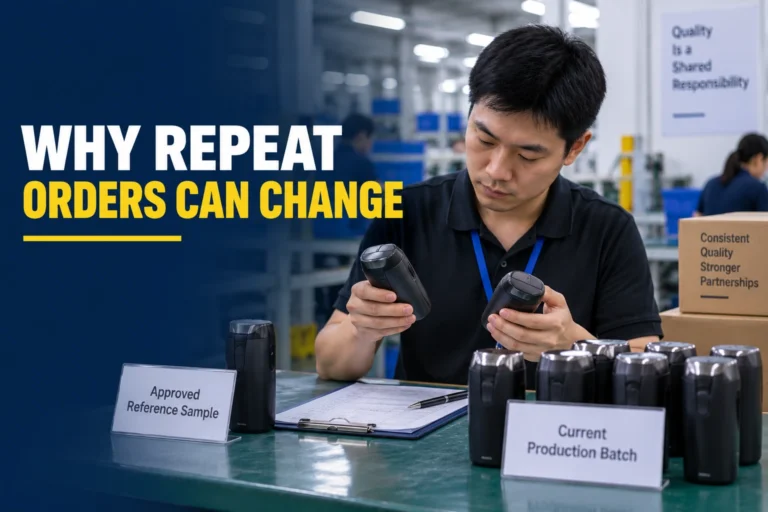
- Comparison with an approved sample.
For finished orders, a pre-shipment inspection in China gives you a chance to review what has actually been produced before the goods leave the supplier. Where your agreed payment terms allow it, this should normally happen before you release the final balance.
Finding a problem while the goods are still at the factory gives you more options. Once defective stock has been paid for and shipped, fixing it is usually harder.
Which check should you choose?
You found a new supplier online
Start with supplier verification. If the order is small and the product is simple, a full factory audit may not be commercially necessary. You can still inspect the goods before shipment.
You are developing a custom product
Consider supplier verification and a factory audit before committing heavily. If production needs particular equipment or tooling, company registration alone tells you very little about manufacturing capability.
You already trust the supplier but quality is inconsistent
The supplier’s identity is probably not the main issue. Put more effort into product specifications, production follow-up and inspection of the actual order.
You are placing a large first order
Combine the checks. Verify the supplier first, audit the factory if capability matters, then inspect the finished order before shipment.
Common mistakes buyers make
- Assuming an Alibaba badge or supplier profile proves who owns the factory.
- Paying a large deposit before checking who is receiving the money.
- Ordering a factory audit when the real concern is finished-product quality.
- Asking an inspector to “check quality” without providing clear specifications.
- Assuming a good factory audit means every future production batch will be good.
- Paying the final balance before important inspection problems are resolved.
- Treating a general inspection as a replacement for required product testing or compliance work.
Use the right check before you spend more money
Supplier verification vs factory audit vs product inspection is really about timing. Verify the supplier when you need confidence about who you are dealing with. Audit the factory when you need evidence about manufacturing capability. Inspect the products when you need to know whether the actual order meets what was agreed.
Prestige Sourcing can help buyers review suppliers, arrange factory audits, coordinate supplier and factory visits, and manage China quality control and product inspections before goods leave China.
If you already have a supplier or quotation but are unsure which check is justified, Let’s Talk before you pay the next deposit or approve shipment.