
China factory subcontracting is not automatically a problem. Many manufacturers outsource specialist processes, components or finishing work as part of normal production.
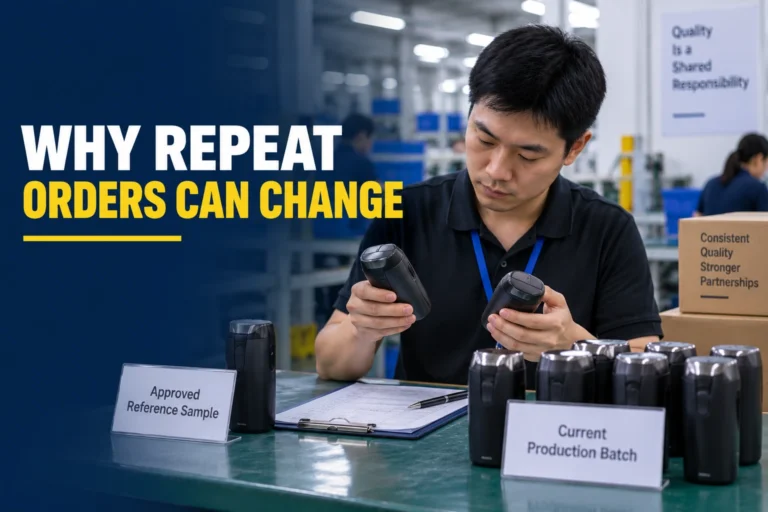
The problem starts when the buyer does not know it is happening. A factory may have produced your sample in-house, quoted based on its own capability, then send critical parts of the bulk order somewhere else. That can change quality, consistency, lead times and your ability to control defects.
Once you have selected a factory, the question is therefore not simply whether it subcontracts. You need to know what it subcontracts, where that work happens and who controls the result.
China factory subcontracting: what changes once work leaves the factory?
Outsourcing one process does not suddenly make a supplier unsuitable. In practice, even capable manufacturers may use outside specialists for processes they do not run economically in-house.
For example, a factory may outsource plating, heat treatment, printing, embroidery, painting, packaging or a specialist electronic process. Another supplier may purchase a standard component from a dedicated manufacturer rather than making it itself.
Those arrangements can work well. However, the risk increases when the subcontracted process directly affects product performance, appearance, compliance or consistency.
You also lose some visibility once production moves to another site. Your main supplier may understand your requirements perfectly, but that does not mean the subcontractor received the same specification.
Which subcontracted processes should concern buyers most?
Focus first on processes that could materially change the finished product. A minor packaging task usually presents a different risk from outsourcing the core manufacturing stage.
Pay particular attention when subcontracting affects:
- Product function: parts or processes that determine whether the product works correctly.
- Materials: components where grade, composition, thickness or source matters.
- Dimensions and tolerances: machining, moulding or assembly stages where small variations create defects.
- Surface finish: coating, plating, painting, polishing or printing that affects appearance or durability.
- Safety-related features: components or processes that influence electrical, mechanical or other product safety.
- Brand-critical details: logo application, colour matching, packaging or finishes visible to your customer.
- Testing: situations where the supplier relies on another party for important product or material checks.
The key issue is control. If the factory cannot explain how it approves the subcontractor, communicates specifications and checks incoming work, the risk becomes harder to manage.
Ask for the production process, not just a factory tour
A buyer can visit a genuine factory and still misunderstand how the order will actually be produced. Seeing machinery on-site does not prove that every stage of your order will use it.
Instead, ask the supplier to map the production sequence for your specific product. Keep the questions practical.
- Which stages will your factory complete in-house?
- Which stages will another company complete?
- Where will those subcontracted stages take place?
- Does the same subcontractor produce the sample and bulk order?
- Who sends the subcontractor the approved specifications?
- Who checks the work when it returns?
- Can the supplier change subcontractors without telling you?
Clear answers matter more than hearing that everything is made “by us”. A supplier that openly explains its production network may offer better control than one that claims everything happens in-house but avoids detailed questions.
Check whether the factory has the capability it claimed
Subcontracting becomes more concerning when it contradicts the reason you selected that factory. Perhaps the supplier won the order because it claimed to own certain machinery or control a specialist process.
If it then sends that same work elsewhere, the original capability assessment may no longer mean much. You need to understand whether the subcontractor offers the same process, equipment and quality controls you expected.
An on-site China Factory Audit can help review the supplier’s premises, machinery, workflow and current production activity against an agreed scope. For subcontracting concerns, the audit should focus on the equipment and processes required for your particular order.
An audit cannot prove that a supplier will never outsource work later. However, it can identify gaps between the factory’s claims and what appears to exist at the site.
Put subcontracting controls into the order before production
Do not rely only on verbal assurances from the salesperson. Before production starts, record the important subcontracting requirements with the order specifications or purchase agreement.
Depending on the product and risk, you may want to confirm:
- Which critical processes the supplier may subcontract.
- Whether named or approved subcontractors must be used.
- Whether the factory must obtain approval before changing a critical subcontractor.
- Which drawings, specifications, approved samples or standards apply to subcontracted work.
- How the supplier checks subcontracted components before using them.
- Who carries responsibility for rejected subcontracted work and rework.
- Whether inspection access is required at another production location.
These controls should fit the commercial importance of the order. A simple off-the-shelf product does not need the same oversight as a customised, high-value or technically sensitive product.
Watch for subcontracting that appears after production starts
Some problems only become visible once the order is underway. Production photos may suddenly come from a different building. Lead times may change without a clear reason, or the supplier may say that a “partner factory” has not finished your parts.
Other warning signs include unexplained changes in materials, inconsistent workmanship between batches, long gaps in production updates or resistance when you request current factory photos.
These signs do not prove something improper has happened. However, they justify asking where the goods are physically located and which company is completing the affected process.
For orders where timing and production visibility matter, China production monitoring can help follow supplier milestones, progress updates and changes during the production period.
Make sure your inspection plan follows the real production chain
A final inspection at the main factory may catch visible defects. It may not tell you why those defects happened or whether an earlier outsourced process created the problem.
Therefore, identify critical checkpoints before production starts. For some products, checking an incoming subcontracted component matters more than inspecting it only after final assembly.
You should also make sure the main supplier accepts responsibility for subcontracted work. A response such as “our subcontractor caused the problem” does not help the buyer when the purchase order sits with the main supplier.
The supplier should manage its own production chain, including defects and corrective work. Your controls then provide evidence that the agreed result has actually been achieved.
Subcontracting itself is not the red flag
The biggest mistake is treating all subcontracting as evidence of a bad factory. Manufacturing supply chains often involve specialised outside processes.
Instead, look for transparency and control. A suitable supplier should know who performs critical work, communicate your requirements clearly and inspect that work before it reaches the next stage.
Concern should increase when the supplier hides outsourcing, cannot explain where important processes happen or changes production arrangements without telling you. Those situations make it harder to judge capability and prevent repeat quality problems.
If you need to decide which type of check fits a particular production risk, see our guide to supplier verification, factory audits and product inspections.
Check the production chain before the order becomes difficult to change
The best time to clarify subcontracting is before bulk production starts. At that point, you still have leverage to ask questions, confirm processes and set approval requirements.
Prestige Sourcing can represent buyers on the ground in China and arrange a factory review focused on the processes that matter to the order. We can also help follow production where ongoing visibility is commercially important.
Let’s Talk if you have already selected a Chinese factory but need a clearer picture of where your product will actually be made.