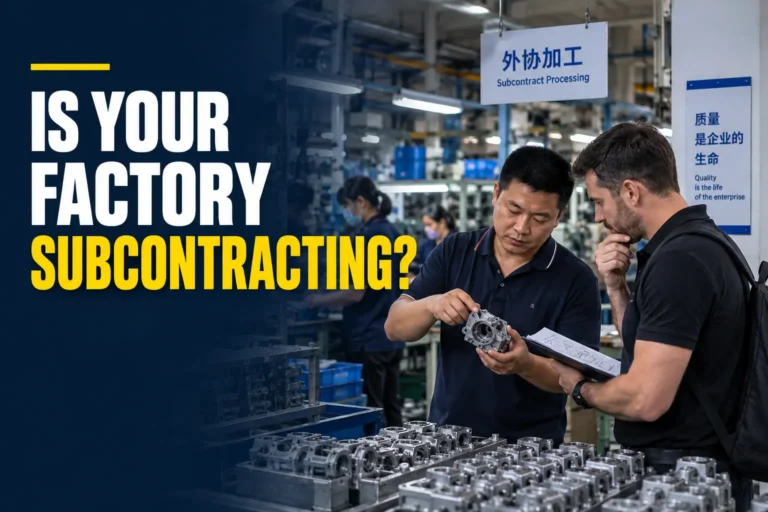

A successful first shipment can make a supplier feel proven. However, repeat order quality in China can still change from one production run to the next. Materials, components, workers, packaging suppliers and production methods do not necessarily stay fixed just because the purchase order looks the same.
That does not mean you should distrust a supplier after every order. Instead, treat each repeat production run as a new batch that must match a controlled standard.
Repeat order quality China: why the second batch can be different
Importers often become less strict after a supplier delivers a good first order. Communication becomes shorter, specifications get replaced with “same as last time”, and fewer details are reconfirmed.
Meanwhile, the factory may have changed something behind the scenes. A different material source might offer a lower price. A component supplier may no longer have stock. Another production line could handle the order. Even a packaging printer can change.
Most of these changes are normal parts of manufacturing. Problems start when they affect the finished product without the buyer knowing.
A good first batch does not become a permanent specification
Your first shipment proves what the factory produced on that particular run. It does not permanently lock every material, component and process into place.
For example, a repeat order may change because the factory:
- buys raw material from a different source;
- uses an alternative component that it considers equivalent;
- moves production to another line or workshop;
- uses different workers for assembly or finishing;
- replaces unavailable packaging materials;
- changes a coating, adhesive, fabric, filling or surface finish;
- uses a different subcontractor for part of the process; or
- adjusts a production method to reduce cost or improve speed.
None of those changes automatically means the new batch will fail. However, they create variables that did not exist when you approved the earlier order.
“Same as last order” is not enough
One of the weakest repeat-order instructions is simply telling the supplier to make everything the same again.
Both sides may believe they understand what “same” means. Yet the buyer may mean identical materials, dimensions, colour, components, finish and packaging. The supplier may only mean the same general product model.
Instead, issue the repeat purchase order against a controlled specification. It should identify the details that cannot change without approval.
Depending on the product, that may include:
- material type, grade, thickness or composition;
- critical components and model numbers;
- dimensions and tolerances;
- colour references and finish;
- product weight where it matters;
- logo position and application method;
- accessories and included parts;
- retail packaging and protective packaging;
- labels, barcodes and carton markings; and
- important workmanship requirements.
Give the specification a version number or date. That makes it much easier to establish which requirements apply to the new production run.
Keep the approved product as the reference
A physical approved reference can be extremely useful for repeat production. It gives the supplier and inspector something real to compare against instead of relying on photographs or memory.
If you already developed an approved sample, keep it identified and protected. Where practical, the supplier should also retain a matching reference.
Our guide to product samples from China explains how approved samples can form part of the production reference.
However, do not let the physical sample replace written requirements. Some characteristics cannot be confirmed accurately by visual comparison alone. Material grades, internal components and performance requirements still need clear documentation.
Ask what has changed before every important repeat order
Before production starts, ask the supplier directly whether anything differs from the previous approved batch.
Useful questions include:
- Are the raw materials from the same source and specification?
- Have any components changed?
- Will the same factory produce the complete order?
- Has any process moved to a new subcontractor?
- Have the moulds, tooling or production methods changed?
- Is the same packaging material and construction available?
- Has the supplier changed anything to meet the current price?
Ask for disclosure rather than assuming nothing changed. In practice, a supplier may see a substitute as routine and therefore not think it needs approval.
Your purchase instructions should make the rule clear: no material, component, construction or packaging substitution without buyer approval.
Be especially careful after a long gap between orders
The longer the gap between production runs, the more opportunity there is for the supply chain to change.
A factory that made your product 18 months ago may no longer buy from the same component manufacturer. Material pricing may have moved significantly. Workers can change, machinery can change and previous packaging may no longer be available.
For that reason, an old purchase order should not simply be emailed back to the supplier with a new quantity. Reconfirm the current specification before paying the deposit.
The same applies when a supplier suddenly offers a meaningful price reduction. Ask what created the saving. A genuine efficiency improvement is possible, but cheaper materials or components can also reduce cost.
Watch the parts customers notice first
Quality drift does not always create an obviously defective product. Sometimes the product still works, but it no longer feels like the version customers previously bought.
Common examples include a thinner fabric, lighter packaging, weaker stitching, a slightly different colour or a lower-quality surface finish. Buttons, zips, cables, fasteners and other small components can also change.
These differences matter because returning customers compare the new stock with what they already know. A technically functional product can still create complaints if the perceived quality drops.
Identify those customer-sensitive features before production. Then make them part of the repeat-order control standard.
Do not confuse production progress with quality consistency
A supplier can finish a repeat order on time and still produce something different from the previous batch. Therefore, schedule updates alone do not control quality drift.
Production monitoring in China helps track whether an order is moving through the agreed stages. Repeat-order quality control has a different purpose. It checks whether the new production run remains aligned with the approved product standard.
For higher-risk products, checking key details earlier in production can also make sense. Finding a material or component change after every unit has been completed gives you fewer practical options.
Create a repeat-order change record
Over several production runs, small approved changes can accumulate. Without a controlled record, the buyer and supplier may eventually work from different versions of the product.
Keep a simple record for each order that shows:
- the specification version used;
- the approved reference sample;
- any authorised material or component changes;
- packaging or artwork revisions;
- known issues from the previous batch; and
- corrective actions that must carry into the next order.
This history becomes more valuable as the product matures. Instead of relying on old chats and scattered photographs, both sides can see what the current standard actually requires.
Repeat orders should become easier, not less controlled
A reliable supplier relationship should reduce unnecessary work over time. However, it should not remove the controls that made the first successful order possible.
The goal is a repeatable process. Keep the approved reference, issue the current specification, ask about changes and make the factory seek approval before substitutions.
Prestige Sourcing’s China Purchasing Support can help importers manage repeat orders with existing suppliers. We can assist with supplier communication, product details, change confirmation and China-side order coordination before production and shipping.
If repeat orders are becoming too dependent on informal supplier messages, Request a Quote to discuss support for your purchasing process.
The first batch proves one production run
A strong first shipment is a good reason to keep working with a supplier. It is not a reason to stop controlling the product.
Factories operate inside changing supply chains. Materials become unavailable, component sources change and production decisions evolve. Therefore, repeat-order consistency depends on keeping your standard clear from one batch to the next.
Before each important repeat order, reconfirm what the factory will make and what has changed. That small discipline can prevent gradual quality drift from becoming your customer’s problem.